
Popular Tree Removal Tools Every Homeowner Should Know About
Explore essential products that help you safely and effectively remove trees with ease, whether for small or large-scale projects.
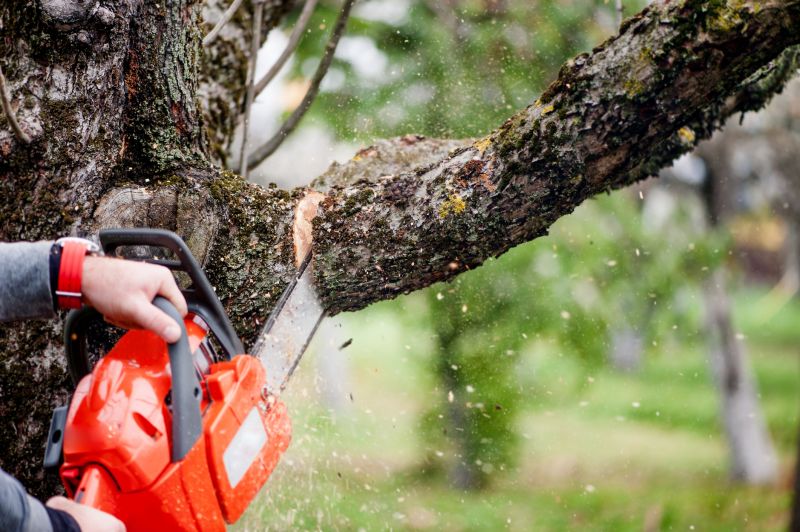 Tree removal is a task often necessary for maintaining the safety, health, and aesthetics of outdoor spaces. Whether dealing with dead, diseased, or hazardous trees, having the right tools and equipment can make the process more efficient and safer. From handheld pruning saws to heavy-duty equipment, there are numerous products designed to assist in various stages of tree removal. Selecting appropriate gear depends on factors such as the size of the tree, location, and personal experience with outdoor tools.
Top Overall Option
Heavy-Duty Gas-Powered Chainsaw
A robust, gas-powered chainsaw offers reliable performance for a variety of tree removal tasks. Its power and durability make it suitable for cutting through thick trunks and large branches. Designed with safety features and ease of handling, it is a versatile choice for both professionals and serious DIY enthusiasts. Proper maintenance and safety precautions are essential when using this type of equipment to ensure effective and safe operation.
Types of Products For Tree Removals
Handheld Pruning Saw
A compact, manual saw ideal for trimming small branches and precise cuts on trees and shrubs.
Pole Pruner
A long-reach tool designed for cutting high branches without the need for ladders, enhancing safety and convenience.
Chainsaw
A power tool suitable for cutting through large trunks and branches, available in gas, electric, and battery-operated models.
Reciprocating Saw
A versatile power saw useful for cutting through wood and removing tree limbs in tight spaces.
Tree Climbing Gear
Safety harnesses, ropes, and spikes designed for professional arborists to access and remove trees safely.
Wood Chipper
A machine that converts branches and small trunks into mulch, facilitating debris disposal.
Stump Grinder
Equipment used to grind down tree stumps after removal, helping to clear the area for future landscaping.
Loppers
Heavy-duty pruning tools for cutting thicker branches at reachable heights, offering leverage and control.
Aerial Lift Platform
A mechanical lift to safely reach high branches and perform precise cuts in elevated positions.
Safety Helmets and Gear
Protective equipment including helmets, gloves, and eye protection to ensure safety during tree removal.
Rope and Rigging Equipment
Tools for controlling falling branches and trunks, ensuring safe descent and placement.
Battery-Powered Trimmers
Cordless trimmers suitable for managing smaller branches and shaping trees with ease.
Hand Saws
Manual saws for quick, small cuts, ideal for delicate pruning or small branches.
Hydraulic Tree Spade
Specialized equipment used to transplant or remove trees with minimal root disturbance.
Debris Bags and Tarps
Heavy-duty bags and tarps for collecting and transporting tree debris efficiently.
Ladder Stabilizers
Accessories that improve ladder stability when working on trees or trimming high branches.
Tree Removal Accessories
Additional tools such as wedges, hammers, and axes to assist in the removal process.
Popular Choices
A lightweight, battery-powered chainsaw suitable for small to medium tree work, offering convenience without fuel fumes.
A versatile tool for reaching high branches safely from the ground, ideal for pruning and light removal tasks.
Compact tools for trimming small branches and shaping trees with precision.
A traditional choice for heavy-duty cutting tasks, offering high power and mobility for larger trees.
Equipment used by professional arborists to ascend and work on large trees safely.
A user-friendly chipper designed to handle branches efficiently with minimal manual effort.
A popular choice for homeowners and contractors to remove stumps effectively after tree removal.
Ideal for pruning thicker branches at comfortable heights, combining leverage with cutting power.
A common solution for safely accessing high branches during removal or trimming tasks.
Essential protective gear for ensuring safety during tree cutting operations.
Reliable ropes and pulleys for controlling the fall of large branches and trunks during removal.
Useful for managing smaller branches and shaping trees in tight spaces.
A portable saw for quick cuts on small branches or for detailed pruning work.
Helpful for relocating trees with minimal root disturbance, especially in landscaping projects.
A large capacity bag for collecting branches and leaves during tree cleanup.
A sturdy ladder setup to safely reach high branches with added stability.
Tools used to control the direction of falling branches or trunks, aiding in safe removal.
Safety is paramount when undertaking tree removal projects. Proper protective gear, including helmets, gloves, and eye protection, is essential to prevent injuries. Additionally, understanding the different types of cutting tools and their specific applications can help ensure clean cuts and reduce the risk of accidents. For larger trees, specialized equipment like chainsaws or even professional-grade machinery may be required. It's also important to consider the disposal or processing of fallen branches and trunks, which can involve chippers or hauling accessories.
In residential or commercial settings in Hendersonville, TN, choosing the right products can streamline the removal process and improve safety. Many tools are designed for ease of use, durability, and versatility, allowing operators to handle various tree sizes and conditions. Proper planning and selecting suitable equipment can make the task less cumbersome and more efficient, whether performing a small pruning job or removing a large, hazardous tree. Always prioritize safety and proper technique to achieve the best results.
Key Buying Considerations
- Tree size and type: Choose equipment suitable for the height and diameter of the tree.
- Power source: Decide between gas, electric, or battery-powered tools based on mobility and convenience.
- Safety features: Look for safety guards, anti-vibration handles, and protective gear compatibility.
- Ease of use: Select tools that match your skill level and physical ability.
- Durability and build quality: Invest in well-constructed equipment for longevity and reliable performance.
- Maintenance requirements: Consider the upkeep needed to keep tools in optimal condition.
- Budget constraints: Balance cost with the features and power needed for your projects.
- Environmental conditions: Ensure equipment is suitable for outdoor use in varying weather conditions.
- Accessibility: Use extendable tools or lifts to reach high branches safely without ladders when possible.
- Disposal options: Plan for debris removal, whether through chipping, hauling, or mulching.
- Professional vs DIY: Determine if the project requires professional-grade equipment or if consumer models suffice.
- Noise levels: Be aware of the noise produced, especially in residential areas.
- Storage space: Ensure adequate storage for larger equipment when not in use.
- Local regulations: Check any local ordinances regarding tree removal and equipment use.
- Training and experience: Only operate machinery you are trained to handle safely.
This content contains affiliate links. We may earn a commission at no additional cost to you if you choose to purchase through these links.